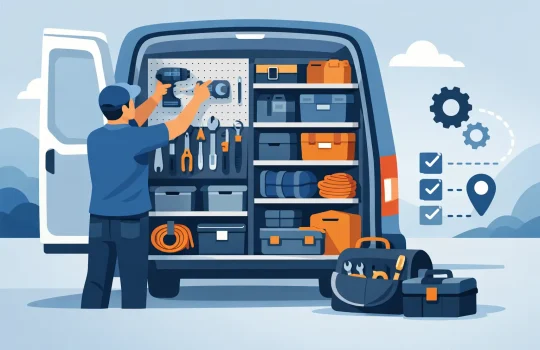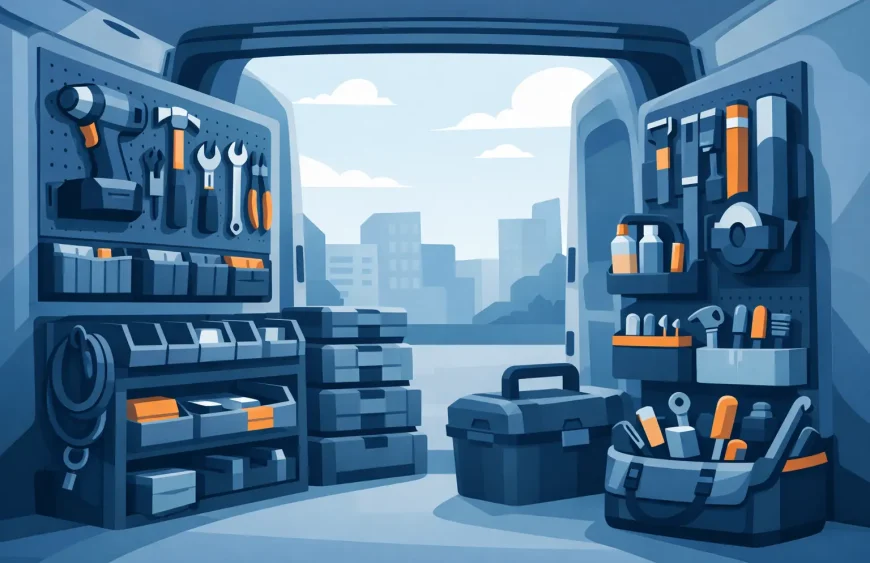
When a van turns into a rolling junk drawer, every job starts badly. You waste time hunting for the right bit, sharp tools rattle into expensive kit, and one hard brake can send loose gear across the load space. Good van tool holder solutions fix that quickly – not with gimmicks, but with simple storage that keeps tools where you put them.
The trick is choosing holders that suit the way you actually work. A plumber carrying pipe cutters, sealants and fittings needs a very different setup from an electrician with testers, drills and fixings. The best layouts are not about cramming in more stuff. They are about putting the right tools within easy reach, protecting them in transit, and keeping the van safe to work from on a wet Tuesday morning.
What makes van tool holder solutions worth fitting?
A proper holder earns its space. If it only looks tidy on day one, it is not doing much. The useful ones save minutes on every callout, reduce tool damage, and stop smaller items disappearing under boxes and offcuts.
There is also the safety side. Loose tools become projectiles under braking, and heavier items sliding around can damage van linings, doors and stock. If you carry blades, powered tools or fluid-handling accessories, secure storage matters even more. It keeps sharp edges covered, stops contamination, and makes it easier to spot when something is missing before you leave site.
For most trades, the real value is rhythm. You park up, open the door, and the kit you need is exactly where it should be. That sounds basic, but over a working week it saves serious time and frustration.
Start with the tools you use every day
Before buying anything, look at what comes out of the van most often. Not what you think you use, but what genuinely gets picked up daily. Those tools deserve the easiest access and the most secure holders.
Long-handled tools usually need vertical or side-wall storage so they do not roll about under shelving. Drills, impact drivers and battery tools tend to work better in shaped holders or brackets where they can be lifted out one-handed. Hand tools such as screwdrivers, pliers and cutters need either rack-style storage or compact holders that stop them tangling together.
Then there are the awkward bits that generic van systems often ignore. Sealant guns, torches, tape rolls, funnels, hoses, filters and specialist fittings all have a habit of ending up loose in a crate. That is where purpose-built holders make a difference. A practical holder for a specific item nearly always beats a universal box full of clutter.
Wall-mounted, shelf-mounted or door-mounted?
This depends on van size, trade and how often you work from the rear versus the side door. There is no single right answer.
Wall-mounted holders are usually the best option for tools you want visible and secure without sacrificing floor space. They suit medium and large vans well, especially if you already run ply lining or racking. The main advantage is accessibility. The trade-off is that poorly placed holders can snag larger loads or make the van feel cramped.
Shelf-mounted holders are useful when you want tools grouped by task. A shelf edge can carry holders for drills, cartridges, hand tools or accessories, while the shelf itself keeps parts boxes and consumables together. This layout works well for mobile workshops. The downside is that overloading shelves makes everything harder to reach.
Door-mounted storage can be brilliant for lighter items used constantly, especially near the side loading door. Tape, gloves, cutters or smaller hand tools are good candidates. Heavier gear is another matter. Van doors get slammed, and weight adds up fast. If a holder is going on a door, it needs to be compact, secure and sensible.
The best van tool holder solutions are purpose-built
This is where many van setups go wrong. People buy a generic organiser, then spend the next six months making do. The result is usually wasted space, damaged tools and that familiar heap of odd kit rolling around in the back.
A purpose-built holder solves a specific irritation. It might keep a drill upright, stop a hose kinking, hold a sealant gun properly, or store a specialist accessory without it getting buried. That sounds like a small win, but small wins add up. If a holder saves you thirty seconds ten times a day, it has paid for itself sooner than most people think.
That inventor-led approach is exactly why practical storage beats showroom-style van dressing. At TMI Shop, the thinking is simple: if a tool or accessory keeps causing the same annoyance, design something that fixes it properly. Not prettier. Properly.
Materials matter more than people think
A van is not a gentle environment. Holders deal with vibration, dirt, knocks, damp clothing, temperature swings and the occasional rough landing when someone hurries a job. So material choice matters.
Plastic can work very well if it is thick, well-shaped and designed for repeated use. It is often light, corrosion-resistant and easy to clean. Cheap brittle plastic, on the other hand, tends to crack at fixing points and fail when the weather turns cold.
Metal holders are strong and can handle heavier tools, but they need sensible edge finishing and decent corrosion resistance. Bare steel in a damp van is asking for trouble. Coated or treated finishes are a safer bet.
Timber racks still have their place, especially in custom-fit van builds, but they are only as good as the person making them. Poor spacing, rough edges and weak fixings quickly become annoying. A homemade solution can work brilliantly if it is genuinely thought through. If not, a compact manufactured holder is often the cleaner answer.
Fitting matters as much as the holder itself
Even good van tool holder solutions can fail if they are fixed badly. Screwing into thin panelling without proper support is a common mistake. It might hold for a week, then work loose once road vibration does its job.
Fix holders into solid backing where possible, whether that is ply lining, battens, shelving frames or reinforced panels. Think about reach before you drill. A holder that looks right on paper can be awkward in real use if it blocks another compartment or forces you to twist around a shelf.
It is also worth thinking about removal and cleaning. Vans collect dust, filings, plaster, sawdust and general jobsite grime. Holders that trap dirt or cannot be wiped down easily become one more maintenance chore. Practical design should make life easier, not add another fiddly job to the list.
Avoid the usual van storage mistakes
Most bad setups come from the same habits. People overfill the van, store based on where there is room rather than where items are used, and rely on boxes for everything. Boxes are fine for stock and loose consumables, but they are poor substitutes for holders when you need speed and repeatability.
Another mistake is ignoring future changes. Your van setup should have a bit of room to evolve. New tools arrive, work patterns change, and one big project can alter what you carry every day. If every inch is packed from the start, any small change becomes a complete reshuffle.
And then there is false economy. Buying cheap holders that flex, crack or fail under normal use usually means buying twice. If a tool is expensive or essential, give it storage that matches its importance.
Build a setup around workflow, not appearances
A tidy van is useful, but tidy is not the end goal. Fast access, safer transport and less damaged kit matter more. The best setups are built around workflow.
Think in zones. Daily-use tools near the main access point. Specialist kit together in one section. Messy items, wet gear or fluid-handling accessories separated from clean equipment where possible. If you carry fittings, filters, hoses or pouring gear, keeping them organised and protected stops dirt getting where it should not.
That is why compact holders often outperform bulky storage systems. They do one job well, use less space, and fit around the way real working vans operate. No fuss, no wasted room, and no rummaging through tubs to find one item that should have had a home in the first place.
A good van setup does not need to be fancy. It needs to save time when you are busy, hold up when the road is rough, and keep the right gear ready for work. If a holder solves a daily annoyance and keeps earning its place, it is doing exactly what it should.