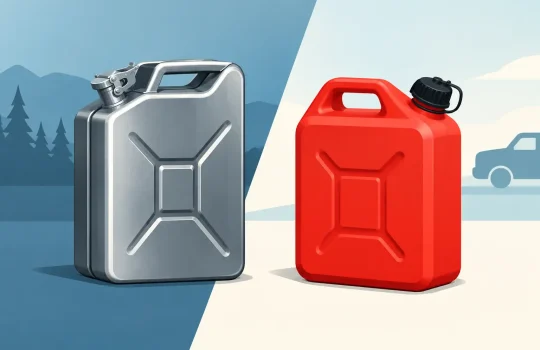
A split fuel can, a blocked water outlet or a hose with nowhere sensible to live can turn a five-minute job into a messy irritation. Made in Britain problem solving products exist for precisely these moments: the awkward, repetitive jobs where a generic accessory nearly works, but still wastes fluid, time, money or patience.
For practical people, the test is simple. Does it fit the job? Does it reduce the mess? Can you use it without modifying three other things first? A clever-looking product that creates another workaround is not a solution. The best specialist fittings and organisers remove a frustration so completely that you wonder why the standard option was ever accepted.
Why Made in Britain Problem Solving Products Matter
British-made does not automatically mean better. A poor design made locally is still a poor design. What matters is the link between the person designing an item and the real job it has to do. Small-scale, inventor-led manufacturing makes that link much tighter.
When a product is designed around filling a particular container, filtering debris before it reaches a tank, or keeping a commonly used tool in one fixed place, the details stop being optional. The outlet diameter matters. The angle of the spout matters. Whether a material stands up to biodiesel, weather, vibration or repeated handling matters. These are the details that decide whether an accessory is useful for years or ends up in the back of a drawer.
That is where practical British manufacturing has a genuine advantage. It can respond to a niche problem without waiting for a big catalogue buyer to decide the market is large enough. A smallholder with rainwater storage, a mechanic handling fluids, or a caravan owner short on cupboard space may not need another universal gadget. They need one part that solves one familiar problem properly.
Start With the Annoyance, Not the Product
The most useful way to buy specialist equipment is to name the irritation first. “I need a hose” is too broad. “I need to transfer liquid from this container without drips, splashing or holding it at an awkward angle” gives you something useful to work with.
The same applies in a workshop or van. If equipment is hard to find, the problem is not simply a lack of storage. It may be that the item has no dedicated home, is used one-handed, gets knocked about in transit or needs to stay accessible without being loose. A holder designed for the object and location will beat a general-purpose box every time.
For liquid handling, think through the whole route: the source container, the fitting, the hose or spout, the receiving vessel and the point at which dirt can enter. The cheapest component can undo the benefit of everything else. A well-made filter is wasted if it is the wrong mesh for the debris you need to stop, while a good spout is no help if it does not seal securely to the container.
Clean Transfers Save More Than Cleaning Time
Spills are often treated as part of the job. They should not be. A few drips of fuel, oil or stored water may seem minor, but repeated waste soon adds up. There is also the cleaning, the smell in a vehicle, slippery floors and the risk of contaminating the very fluid you are trying to store or use.
Purpose-built pouring and transfer accessories address the causes rather than asking you to be more careful. A controlled spout improves aim and flow. A suitable fitting gives a secure connection. A hose lets you reach a container without lifting and tilting it into a poor position. The result is not glamorous, but it is exactly what practical design should deliver: less mess and a quicker, calmer job.
Material compatibility deserves particular attention. Not every plastic, seal or hose is suitable for every fuel or chemical. Biodiesel users, for example, should avoid assuming that a standard accessory will cope simply because it looks similar. Check what the product is intended to handle, how it will be stored and whether it will see regular exposure. Buying the correct fitting once is cheaper than replacing a swollen, cracked or leaking one later.
Filtration Is a Small Step With a Big Pay-Off
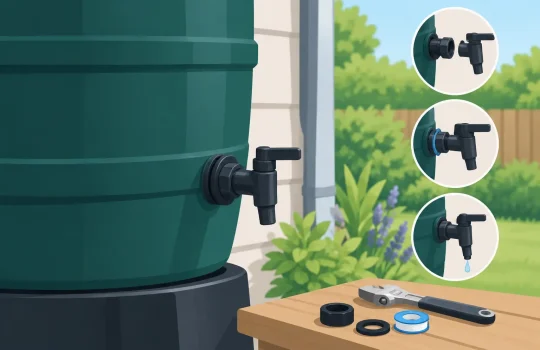
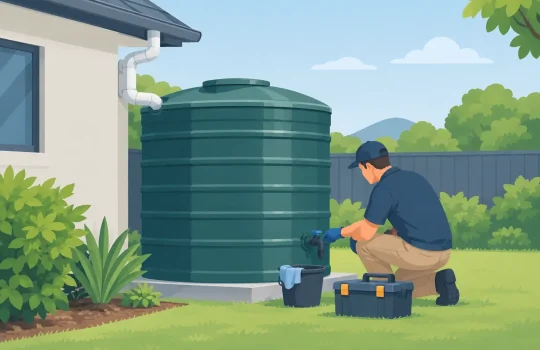
Rainwater harvesting and IBC storage offer obvious benefits, but stored water collects unwanted material. Leaves, insects, grit and general debris can find their way into tanks and outlets. Left unchecked, that material can slow flow, block fittings and create a far less pleasant maintenance job down the line.
An outlet mesh filter is a straightforward answer because it tackles debris at the point where it becomes a nuisance. It can help protect hoses, taps and downstream equipment while making stored water more practical to use. The right mesh size depends on the job. Very fine filtration catches smaller particles, but it can also restrict flow or need cleaning more often. A coarser mesh allows faster flow but will not stop everything.
That trade-off is worth making consciously. If you are feeding a simple garden watering setup, dependable flow may matter most. If water is heading towards more sensitive equipment, tighter filtration may be the better choice. No single filter suits every setup, which is why specialist options are more useful than a vague claim that one product does it all.
Better Organisation Is a Working Tool
A van, workshop, shed or caravan becomes frustrating when everyday equipment has to be hunted down. Loose hoses kink. Funnels disappear. Small but useful accessories end up under heavier kit. Then the job starts with a search instead of the task itself.
Compact holders and storage solutions earn their place by making an item available at the exact moment it is needed. They also protect equipment from damage and prevent the rattle, tangle and clutter that builds up in mobile or busy spaces. A good holder does not have to look clever. It has to retain the item securely, release it easily and fit where people actually work.
Placement matters as much as the holder. Put frequently used items near the point of use, but away from heat, sharp edges and areas likely to get soaked or crushed. In a van, consider vibration and access from the side door. In a caravan, consider cupboard movement while travelling. In a workshop, consider whether an item can be returned one-handed while wearing gloves.
The Value of an Inventor-Led Product
Mass-produced accessories are often designed to appeal to the widest possible market. That keeps shelf space simple, but it can leave practical gaps. Universal products tend to make compromises on fit, material, capacity or the way they are mounted. Sometimes that is perfectly acceptable. If a basic item gets used occasionally and failure is merely inconvenient, a general option may be all you need.
But recurring jobs deserve better. If you transfer fluid every week, rely on rainwater through the season, or need your working vehicle organised every day, a specialist solution can quickly justify itself. The value is not only in the item itself. It is in the time you stop losing, the waste you avoid and the hassle that never develops.
At TMI Shop, A Mad Approach to Practical Design means treating those overlooked irritations as proper design problems. The aim is not to add novelty to a shelf. It is to create fittings, filters, hoses and storage ideas that have a clear reason to exist and a clear job to do.
Choose for the Job You Actually Have
Before buying, measure the connections you need to join and consider the environment the product will live in. Think about fluid type, temperature, storage conditions, cleaning access and how often the item will be used. If it will be mounted, check both the available space and what sits behind the mounting surface.
It also pays to avoid over-specifying. The toughest or finest product is not automatically the right one if it creates restricted flow, needless cost or a setup that is awkward to maintain. Practical buying is about getting the right level of performance for the task, not collecting features you will never use.
The best made-in-Britain problem solving products are usually the ones that disappear into the routine. The pour is clean, the outlet stays clear and the tool is where it belongs. That is a modest result, perhaps, but when it saves you from the same annoyance again tomorrow, it is exactly the point.