A drip from a fuel can, a weeping hose joint or grit caught in an IBC outlet can turn a five-minute job into a messy clean-up. The best leak prevention hardware does not rely on luck, extra rags or overtightening everything in sight. It starts with parts designed for the liquid, container and task at hand – then fitted properly.
For workshops, vans, smallholdings, gardens and caravans, preventing leaks is usually less about one miracle fitting and more about removing the weak points in a transfer setup. That means choosing compatible threads, decent seals, controlled pouring equipment and filtration where contamination can cause a blockage or stop a valve closing properly.
What makes leak prevention hardware worth buying?
Useful leak prevention hardware earns its place by solving a specific frustration. It should make filling cleaner, connections more secure and storage less risky. Generic accessories can look close enough on a screen, yet fail at the point where thread pitch, hose size, chemical compatibility or pouring angle actually matter.
A good setup reduces the need to improvise. If you regularly decant diesel, biodiesel, rainwater or other fluids, the right spout or hose arrangement keeps liquid moving where it should. If you draw water from an IBC, a mesh filter can stop leaves, insects and larger debris reaching downstream taps, pumps and hoses. Less debris means fewer blockages, and fewer blockages mean fewer occasions to dismantle fittings that may not seal perfectly when reassembled.
There is a trade-off. A simple cap is cheap and easy, but it does not provide controlled delivery. A long flexible hose reaches awkward fillers, but needs proper support and a secure connection so it is not pulled sideways. The best choice depends on how often you use it, what fluid is involved and whether the container stays in one place or travels in a vehicle.
Best leak prevention hardware starts with the connection
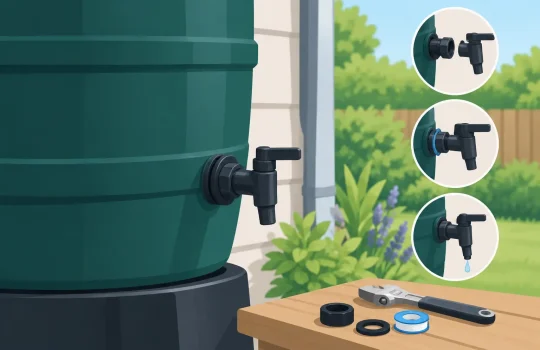
Most leaks begin at a join. Before adding sealant, tape or force, establish what the connection actually is. Measure the hose internal diameter, identify the thread type and check whether the fitting needs a flat washer, an O-ring or a tapered thread seal. Parts that are nearly the right size are often the reason a joint drips.
Match materials to the liquid
Not every plastic, rubber or seal is suitable for every fluid. Fuel, biodiesel, oils, detergents and potable water can each have different compatibility requirements. Biodiesel is particularly worth treating carefully, as it can be less forgiving of unsuitable materials than ordinary diesel.
Choose fittings and seals intended for the liquid being handled, rather than assuming any rubber washer will do. If the application involves drinking water or rainwater intended for domestic use, use components appropriate for that purpose and keep the system clean. A fitting may be watertight but still be the wrong choice for the fluid.
Let seals do their job
A washer or O-ring needs a clean, undamaged seating face. Dirt, a twisted seal or a burr on a plastic thread can create a leak path even when the fitting feels tight. Wipe mating surfaces before assembly and inspect seals for flattening, cracking or swelling.
Overtightening is another common mistake. It can distort an O-ring, split a plastic female thread or crush a washer until it no longer seals evenly. Tighten by hand first, then only as much as the fitting needs. If it still leaks, take it apart and find the cause instead of applying more force.
Thread tape has its place on tapered threaded joints, but it is not a cure for damaged threads or a missing washer. It should not be wrapped over a thread that seals against a face seal. Used in the wrong place, it can stop a fitting seating correctly and create the very problem it was meant to cure.
Spouts and hoses make pouring predictable
An open container neck gives liquid plenty of chances to go wrong: it glugs, splashes, misses the filler and runs down the side. A purpose-made pouring spout gives the flow a route. This matters when filling machinery, garden equipment, generators or containers with narrow openings, especially when working outside where the ground is uneven.
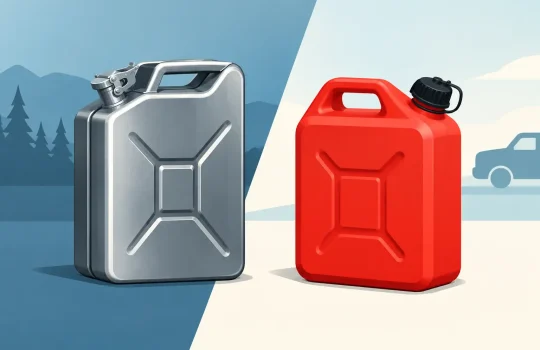
For fuel transfer, look for a spout arrangement that fits the source container securely and reaches the receiving filler without needing a balancing act. A controlled outlet reduces sudden surges, while a cap or closure protects the container between uses. The goal is not merely to transfer fluid faster. It is to avoid losing expensive liquid down the side of a tank or across the workshop floor.
Flexible hose assemblies are similarly useful where a rigid spout cannot reach. Keg hoses, for example, need to suit the connection, pressure and intended beverage or cleaning task. Avoid kinking the line, dragging the connection under tension or forcing a hose onto a fitting that is too large. A hose clip can be valuable where the design calls for one, provided it is sized correctly and tightened evenly.
Before relying on any new arrangement, test it with a small amount of the relevant fluid in a safe area. Check the joints, the flow path and how the setup behaves when the container is tilted or the hose is moved. That short test is cheaper than finding a problem halfway through filling a machine.
Filtration prevents the leaks that start as blockages
Not every leak is caused by a bad seal. A blocked outlet can increase pressure, make filling erratic or force people to remove parts repeatedly for cleaning. That cycle introduces damage, cross-threading and misplaced seals.
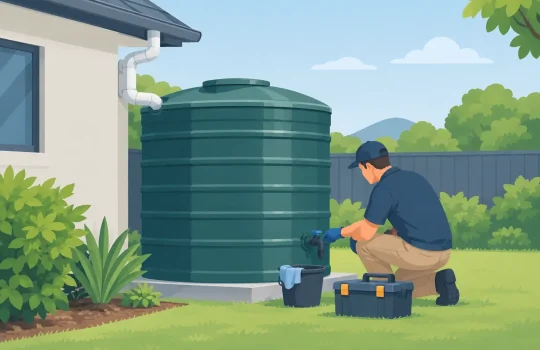
IBC outlet mesh filters are a practical example. When rainwater or stored liquid is drawn from a container, leaves, algae fragments, insects and workshop debris can collect near the outlet. A mesh filter helps keep larger material out of the downstream system, protecting taps, pumps and hose fittings from unnecessary obstruction.
Mesh size is a balance. Finer mesh catches smaller debris but needs cleaning more often. Coarser mesh permits a stronger flow and is less likely to clog quickly, yet will not provide the same level of filtration. For general rainwater collection, choose based on what is getting into the tank and what sits after the outlet. A basic garden hose has different needs from a pump or irrigation system with small passages.
Clean filters routinely rather than waiting for flow to slow dramatically. Remove debris carefully, inspect the sealing area when refitting, and do not use a damaged mesh that could shed material into the system. Filtration is simple preventative maintenance, but it saves a surprising amount of trouble.
A practical check before every transfer
Leak prevention is most effective before the container is lifted or the tap is opened. A quick check takes seconds and avoids the familiar moment when a fitting starts dripping just as the container is at its heaviest.
Check that the cap, spout or hose is fully seated; that seals are present and clean; that the receiving container has enough capacity; and that the hose is not kinked or trapped beneath a wheel, door or equipment. If a container is being used in a van or caravan, make sure it is supported so movement cannot load the outlet or knock a cap loose.
For fuel and other hazardous liquids, work in a suitable well-ventilated area, keep ignition sources away and follow the product safety guidance. Never treat a leak as a minor nuisance simply because the quantity is small. Small drips add up to waste, odour, slip hazards and damaged surfaces.
When replacing hardware is cheaper than repairing it
A seal is a consumable part. Replace it when it looks worn, has changed shape or no longer gives a dependable seal. Likewise, retire cracked caps, stretched hoses, damaged threads and fittings that have been overtightened too many times. Trying to rescue tired hardware with layers of tape usually postpones the failure rather than fixing it.
Purpose-built accessories cost less than wasted fuel, contaminated stored water or a repeated clean-up. This is where a Mad Approach to Practical Design pays off: fit the right part once, make the job cleaner, and get on with the work that actually matters.
The most useful leak prevention setup is rarely the fanciest one. It is the one that fits properly, handles your chosen fluid safely and still works cleanly when you need it on a wet Tuesday afternoon.