A five-litre can should not leave fuel running down its side, and an IBC should not send leaves, grit or insects straight into your stored water. The best fluid transfer accessories deal with the small frustrations that waste product, create mess and turn a quick job into a clean-up. The right spout, hose, filter or fitting makes liquid handling controlled, cleaner and far less awkward.
For practical users, the answer is rarely a generic funnel or whatever hose happens to be nearby. Fuel, biodiesel, rainwater, beer line and workshop fluids all need different materials, flow rates and connections. Buy for the job in front of you, and you will save time every time the container needs filling, emptying or moving.
What makes a fluid transfer accessory worth buying?
A useful accessory must solve a real handling problem, not add another weak point to the setup. That means it should fit properly, withstand the liquid being transferred and be easy to use when your hands are oily, cold or gloved.
The first consideration is compatibility. A fitting that looks right can still have the wrong thread, an unsuitable seal or a bore that restricts flow. This matters particularly with fuel and biodiesel, where unsuitable materials can swell, harden or degrade over time. Check the container outlet, cap thread, hose internal diameter and intended fluid before ordering.
Control matters just as much as speed. A wide-bore hose can empty a container quickly, but it may be difficult to stop accurately when filling a smaller tank. A shaped spout can direct fuel into a tight filler neck, but only if it reaches far enough without kinking or falling loose. The best design is the one that lets you transfer the right amount without wearing it, spilling it or wasting it.
Finally, consider cleaning and storage. Accessories used for rainwater or kegging need to be kept hygienic. Fuel equipment needs to be kept free from dirt and stored where it will not collect debris. A removable, practical design is usually worth more than a complicated item that is difficult to inspect.
Best fluid transfer accessories by job
Flexible fuel spouts for awkward filler positions
Fuel cans are simple until you try to pour into a machine with a recessed, angled or hard-to-reach filler neck. A purpose-made flexible fuel spout gives you reach and direction, allowing the can to stay at a manageable angle while the fuel goes where it should.
Look for a spout that suits your can’s thread and the fuel you intend to use. Length is not automatically better. Too short, and you are still balancing the can over the machine. Too long, and the spout can sag, slow the flow or become difficult to control. For mowers, generators, agricultural equipment and workshop machinery, a secure-fitting spout is a much better fix than trying to improvise with a cut-off bottle or loose funnel.
If you regularly use biodiesel, choose fittings clearly intended for that application. Biodiesel compatibility is not a minor detail. Materials that are fine for occasional petrol or diesel use may not remain reliable with biodiesel blends.
Biodiesel-compatible fittings for dependable connections
Biodiesel users often face a familiar problem: ordinary fittings can look serviceable at first, then soften, leak or become difficult to remove. A compatible fitting is there to keep the system dependable, whether you are transferring fuel between containers, working with a processor or setting up a smallholding fuel arrangement.
Pay attention to the seal as well as the body of the fitting. The seal is usually where a poor match shows itself first. It is also worth choosing a setup that can be taken apart without a fight. A fitting that saves a few pounds but needs replacing after limited use is not a bargain.
Keg hoses for cleaner, more controlled serving
A keg hose might seem straightforward, but it has a direct effect on how tidy and manageable your setup feels. The right hose length lets you position a keg, tap and dispense point sensibly rather than leaving equipment under tension or coiled across the floor.
For home bars, events, mobile setups and small commercial use, choose hose based on the connection type, the drink being served and the space available. A hose that is too short limits where you can place the keg. One that is unnecessarily long creates clutter and can be harder to keep clean. Use equipment intended for the task, keep it clean between uses and replace any hose that has become damaged, tainted or difficult to sanitise.
IBC outlet mesh filters for protecting stored water
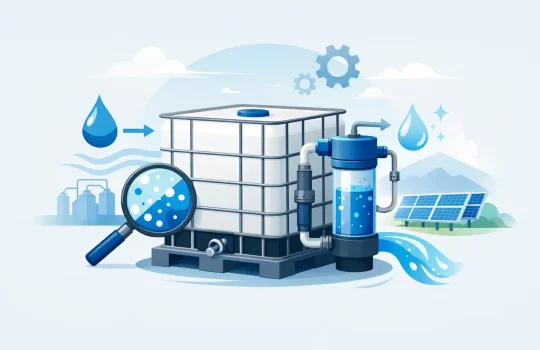
An IBC is useful storage, but an open outlet or poorly protected connection can admit debris exactly where you do not want it. Leaves, insects and larger particles can block taps, pumps and irrigation equipment, turning stored water into a maintenance problem.
An outlet mesh filter gives you a simple first line of defence. It is particularly useful on rainwater collection setups, garden irrigation systems and working yards where tanks are exposed to airborne debris. The mesh needs to suit the outlet and should be easy to remove for cleaning. Very fine mesh catches more material, but it can also clog sooner. For water with a high debris load, a slightly coarser pre-filter that you can clean quickly is often the more practical choice.
Rainwater filters for water you can actually use
Rainwater harvesting works best when filtration begins before debris reaches the tank or pump. A filter is not just about making water look cleaner. It helps reduce blockages, limits sediment build-up and makes stored water more useful for gardening, washing down and non-potable applications.
The right level of filtration depends on what you are doing with the water. Water for a garden butt has different requirements from water feeding a pump, pressure washer or irrigation system. Start by preventing larger debris from entering, then add finer filtration only where the equipment or end use needs it. Over-filtering can reduce flow and create more cleaning work than the system saves.
How to choose the best fluid transfer accessories
Start with the container, not the accessory. Measure the outlet or thread, identify what is already fitted and think about where the liquid has to go. A perfect hose is useless if it will not connect securely to the source. A good filter is wasted if it is installed where it cannot be checked or cleaned.
Then consider the liquid itself. Fuel, biodiesel, rainwater, oils and drinks should not be treated as interchangeable jobs. The material, seal and cleaning needs vary. If there is any doubt about chemical compatibility, do not guess. Use an accessory designed and specified for that fluid.
Think about flow in real terms. Filling a large tank calls for reasonable flow, but topping up a small machine needs accuracy. A narrow spout can be slower but more controlled. A larger-bore hose can speed up a transfer, provided you have a reliable way to stop it before the receiving container overflows.
Access is the final test. Ask whether you can fit, remove, drain and clean the accessory where it will actually be used. Workshop benches are forgiving. A muddy yard, cramped van, caravan locker or low-level tank outlet is not. Practical design means accounting for the awkward bit, not pretending it does not exist.
Common mistakes that cause spills and wasted time
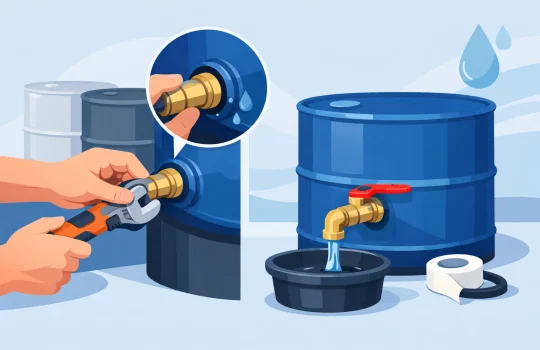
The most common mistake is forcing a near-match connection. Cross-threading a cap, stretching an undersized hose over a fitting or relying on tape to cure a bad fit usually ends in drips, air leaks or a failed connection. Get the interface right first.
Another is using one accessory for every liquid. Keeping dedicated equipment for fuel, water and beverage use avoids cross-contamination and makes cleaning simpler. Marking hoses and spouts is a sensible habit when several people share a workshop or smallholding.
It is also easy to overlook support. A heavy hose hanging from a plastic outlet can put unnecessary strain on the connection. Route it sensibly, avoid sharp bends and make sure the hose is not being pulled by the weight of a full container or a badly positioned pump.
At TMI Shop, A Mad Approach to Practical Design means concentrating on the awkward jobs that generic accessories leave behind. Purpose-built spouts, filters, fittings and hoses are not about adding clutter to the workshop. They are about making the next transfer cleaner, quicker and less likely to go wrong.
Before buying, take two minutes to measure the connection, confirm the fluid and picture the pouring or filtering job from start to finish. That small bit of preparation is often the difference between a useful accessory and another piece of kit left in the drawer.