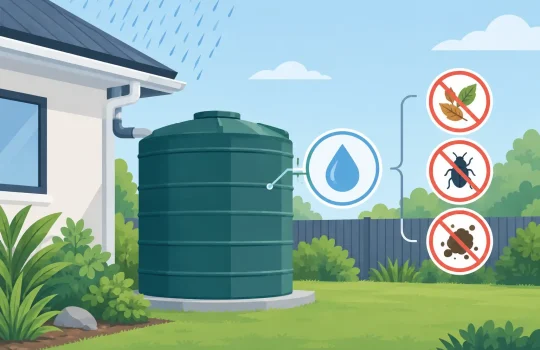
The trouble with rainwater is not usually getting hold of it. It is keeping the useful bit and stopping the muck. One windy week, a roof can send moss, grit, leaf bits, insects and roof sludge straight into your tank. That is why choosing the best rainwater filter options matters – not as a nice extra, but as the difference between a usable system and a barrel of dirty hassle.
For most UK setups, there is no single magic filter that fixes everything. The right answer depends on where the water is coming from, how you store it, and what you want to use it for. A small garden water butt needs a very different approach from an IBC tank feeding a greenhouse, workshop washdown point or livestock trough. A mad approach to practical design starts with that simple truth: filter for the problem you actually have.
What the best rainwater filter options need to deal with
Rainwater starts off fairly clean, but your collection surface does not. Roofs pick up bird mess, dust, pollen, broken-down leaf matter, bits of mortar, algae, and the general grime that British weather manages to produce year round. Gutters add their own contribution, especially if they are old or partly blocked.
That means filtration often needs to happen in stages. Big debris should be stopped early, before it reaches storage. Finer particles can then be managed later, either at the tank inlet, at the tank outlet, or before the final point of use. If you ask one filter to do every job, it usually clogs too quickly or lets too much through.
This is where many off-the-shelf kits fall short. They can look tidy in a product photo, but if they are fiddly to clean or too fine for the first stage, they become another maintenance job. Practical buyers usually want the same thing: something that works immediately, does not choke up after the first storm, and can be cleaned without a wrestling match.
First-stage rainwater filtration at the gutter or downpipe
If your system starts with a roof and gutter, the first line of defence should be a coarse filter. This stage is there to catch leaves, twigs and larger debris before they enter storage. It is not trying to polish the water. It is trying to stop the obvious rubbish from becoming a problem downstream.
A simple leaf guard or downpipe diverter filter is often enough for a domestic water butt. For larger systems, especially where roof area is bigger and the flow rate is higher, a larger-capacity pre-filter makes more sense. The trade-off is straightforward. Coarser filters let more fine silt pass, but they clog less often. Finer pre-filters catch more, but can back up quickly in autumn or after roof maintenance.
If your gutter regularly fills with moss from nearby trees or an ageing roof, a small fine screen at this stage can be more trouble than it is worth. Better to catch the bulky material first and leave the finer work for later.
Inlet filters for tanks and butts
Once water reaches the tank, an inlet basket or mesh screen gives you another useful stage. This is where you catch smaller debris that slipped past the gutter filter. For water butts, it helps reduce sludge build-up at the bottom. For larger storage tanks or IBC containers, it can make the difference between usable stored water and a murky settling tank full of floating bits.
This type of filter works best when matched to the job. If you only want water for the garden, a fairly simple mesh is usually fine. If you are feeding a pump, pressure washer, hose setup or workshop use, you want cleaner water entering storage in the first place. Pumps do not enjoy grit, and blocked nozzles waste time.
The practical point here is access. If the filter sits in a place you cannot easily reach, clean-out becomes a nuisance and maintenance gets skipped. A filter that is easy to inspect usually outperforms a more advanced one that nobody wants to touch.
Best rainwater filter options at the outlet
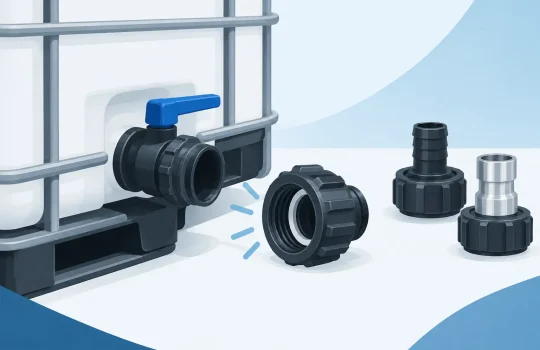
Outlet filtration is often the smartest upgrade, especially if you already have a tank in use and want cleaner water without rebuilding the whole system. An outlet mesh filter sits where the water leaves the container, catching suspended debris before it reaches your hose, tap or transfer equipment.
For IBC tanks and larger containers, this approach is particularly useful. Water may arrive with some fine material, then settle over time, but it can still carry bits that block fittings or make watering awkward. A purpose-built outlet mesh filter gives you a practical control point. It is also easier to service than filters buried in pipework.
This is one of the best rainwater filter options for gardeners, smallholders and workshop users who want less mess and fewer blockages without overcomplicating things. Mesh outlet filters are especially good where reliability matters more than ultra-fine purity. They protect downstream gear, keep flow sensible, and make stored rainwater more useful day to day.
The detail that matters is mesh size. Too coarse, and debris passes through. Too fine, and flow suffers or the filter needs constant cleaning. For general non-potable use, a balanced mesh is usually the right call. It catches the nuisance material without turning a simple water draw into a slow drip.
Fine filtration for point-of-use jobs
If you need cleaner water still, a final-stage fine filter near the point of use can help. This is where cartridge filters, sediment housings or finer inline strainers come in. They are useful if the water is feeding sensitive equipment, drip irrigation, or any job where visible particles are a problem.
But this is where people often overestimate what filtration can do. A fine sediment filter can remove smaller particles. It does not automatically make rainwater safe for drinking. If your aim is potable water, you are into a more serious treatment setup involving proper multi-stage filtration, possible carbon treatment, and usually disinfection as well. That is a different conversation from general garden or workshop use.
For most practical UK users, very fine filtration only makes sense when there is a clear reason. Otherwise, it adds cost, reduces flow and creates more consumables to replace.
Matching the filter to the use
The best setup for watering tomatoes is not necessarily the best setup for filling a livestock bucket or feeding a sprayer. If the water is for garden use only, a coarse pre-filter plus a decent outlet mesh filter is often enough. It keeps the water serviceable and protects taps and hoses without making the system fussy.
If you are using harvested rainwater around a workshop, yard or smallholding, reliability matters more. You want debris stopped before it reaches pumps, transfer hoses and fittings. In that case, staged filtration is worth it: coarse at entry, practical mesh at storage or outlet, and a finer stage only where needed.
If the system is large, exposed to lots of roof debris, or used regularly, choose filters with proper cleanable parts rather than disposable gimmicks. There is no prize for buying the cheapest unit if it cracks, warps or blocks every fortnight.
Material and build quality matter more than the packaging
Rainwater filtration lives outdoors, handles dirt, and gets ignored until something stops flowing. That is not a gentle life. Plastic housings need to be decent quality. Mesh needs to resist corrosion. Fittings need to seal properly and stay put.
This is where specialist accessories earn their keep. A filter designed by people who actually deal with tanks, hoses, fittings and messy liquids tends to solve the right problems. It will usually be easier to fit, easier to clean and less likely to become another bodged workaround.
TMI Shop has built much of its range around that exact principle – practical fluid handling parts that stop small annoyances turning into regular wasted time. Rainwater harvesting is no different.
Common mistakes when choosing rainwater filters
The biggest mistake is choosing by label rather than use case. “Fine” sounds better than “coarse”, but not if the filter chokes every time there is a gust of wind and a bit of roof moss. Another common problem is putting all the filtration at one point. That tends to overload a single component instead of spreading the work sensibly across the system.
People also forget maintenance access. If you need tools, ladders and patience every time the filter needs a rinse, it will not stay clean for long. Keep service points simple and reachable.
Finally, avoid assuming stored rainwater stays clean once filtered. Tanks still need occasional inspection. Sludge can build up. Algae can appear if light gets in. Filtration is part of the solution, not a replacement for basic system housekeeping.
A practical way to choose
Start by asking three questions. What debris are you dealing with, how clean does the water actually need to be, and where is the easiest place to maintain a filter? Answer those honestly and the right setup becomes clearer.
For many UK users, the sweet spot is not the most complex arrangement. It is a simple staged system: catch the big debris early, use a dependable mesh filter at the tank or outlet, and only add fine filtration if the end use justifies it. That gives you cleaner water, fewer clogs and less faff.
If your rainwater system is meant to save money and make life easier, the filter should do the same. Pick the option that solves the real mess, not the one with the fanciest name.