The trouble with rainwater is that the water itself is usually the easy part. It is everything that comes with it – leaves, moss, grit, roof sludge, insect bits and gutter filth – that causes the real mess. If you are working out how to filter rainwater debris, the job is not to make rain complicated. It is to stop the obvious muck getting into your tank, butt, pump or hose in the first place.
That matters whether you are watering a garden, feeding a small irrigation setup, washing down a yard or storing water for general outdoor use. Let debris build up and you get blocked outlets, foul smells, sediment at the bottom of the tank and far more cleaning than anyone wants. A proper filtration setup saves time, reduces maintenance and keeps stored rainwater usable for longer.
How to filter rainwater debris without overcomplicating it
The practical answer is to filter in stages. Trying to catch every type of debris with one fine filter usually creates a different problem – slow flow, constant clogging or a filter that needs cleaning every five minutes. A better setup removes larger debris early, then deals with smaller particles closer to the tank or outlet.
Start at the collection point. If rainwater is coming off a roof, the gutter is your first chance to intercept leaves, moss and larger rubbish. A simple coarse guard or basket can stop the biggest material before it enters the downpipe. This is especially useful under trees, where autumn can turn a clean system into a compost chute in a week.
The next stage is the downpipe or inlet filter. This is where finer mesh starts to earn its keep. Instead of trying to screen out everything at gutter level, you allow good flow while catching the smaller debris that would otherwise settle in the water butt or storage tank. In practice, this staged approach is usually cleaner and less frustrating.
Match the filter to the debris, not the marketing
Mesh size matters, but there is no magic number that suits every setup. If your main problem is oak leaves and twigs, a coarser screen may be enough. If your roof sheds fine moss, grit and granules, you will need a tighter mesh to stop that material getting through.
The trade-off is simple. Coarse mesh flows better and blocks less often, but lets more small debris pass. Fine mesh captures more contamination, but clogs faster and needs regular attention. For many domestic rainwater systems, a layered approach works best – coarse screening first, finer filtration second.
Material matters as well. Plastic filters can be perfectly serviceable, but if the setup lives outdoors all year and sees regular use, tougher purpose-made mesh tends to last better and cope with repeated cleaning. A flimsy insert that distorts under pressure is not saving money if you are replacing it every season.
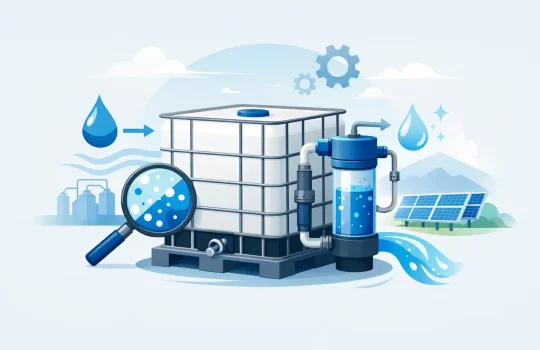
This is where specialist fittings often beat generic garden-centre parts. Rainwater filtration sounds simple until you are scraping sludge out of a badly shaped outlet or trying to bodge a loose filter into a tank opening. Purpose-built mesh filters designed for IBCs, tanks or rainwater harvesting systems usually make maintenance quicker and sealing more reliable.
The best places to filter rainwater debris
There are three sensible places to install filtration, and the right one depends on how your system is used.
At the gutter or hopper
This is best for large leaves, seed pods and obvious roof litter. It reduces the load on everything further down the line. The downside is accessibility. If the filter sits high up, it may be awkward to inspect, especially on outbuildings or taller properties.
At the downpipe or tank inlet
This is often the sweet spot for most users. It catches debris before it reaches stored water, and it is easier to service than a roofline filter. If you only fit one serious filter, this is usually the best place to put it.
At the tank outlet
Outlet filtration protects pumps, hoses, spray equipment and taps from sediment already inside the tank. It will not stop the tank getting dirty in the first place, but it can save downstream equipment from clogging. If you draw water for irrigation or transfer, this stage is well worth considering.
In many setups, the smartest answer is not choosing one location. It is using two lighter-duty filters rather than expecting one to do everything.
Do not ignore first flush
If you want cleaner stored water, first flush matters more than many people realise. The first rain after a dry spell washes dust, bird mess, pollen and roof grime straight into the system. If that initial dirty water goes into the tank, the filter has to work much harder and more fine sediment ends up stored.
A first flush diverter sends the dirtiest initial runoff away before cleaner rainwater continues into storage. It is a simple idea, but it makes a real difference, particularly on roofs that collect a lot of surface contamination. If your water always looks murky after rainfall even with a mesh filter fitted, lack of first flush is often the reason.
It does not need to be an elaborate system, but it does need occasional emptying and checking. Like any practical solution, it only works if it is maintained.
How to keep filtered rainwater cleaner for longer
Filtering debris at entry point is only half the battle. Once water is stored, the tank itself needs to avoid becoming a settling pond.
A closed or properly covered container helps hugely. Open butts are magnets for windblown dirt, insects and light, and light encourages algae growth. Even well-filtered water deteriorates faster if it sits warm, exposed and full of organic material.
Tank shape and outlet position also affect what happens next. If the outlet draws from the very bottom, any settled sediment is more likely to travel into hoses and watering gear. A slightly raised draw-off point or an outlet filter can reduce that. If the tank is used heavily and refilled often, sediment may be less of a problem than in a tank that sits for weeks.
This is one of those it-depends situations. A smallholder using stored rainwater daily will manage debris differently from someone filling a butt for occasional garden watering. The more frequently you move water through the system, the less time muck has to rot and compact.
Cleaning matters more than buying another gadget
No filter setup stays effective if it is never cleaned. Debris does not politely stop arriving once the mesh is fitted. Regular maintenance is part of the job, but it should not be a miserable one.
The trick is making access easy. A removable basket, visible mesh section or external inline filter is far more likely to get cleaned than a hidden insert buried inside pipework. If a filter is awkward to reach, most people will leave it too long. Then flow drops, overflow starts, and the whole thing gets blamed when the real issue is neglect.
As a rough rule, check filters more often during autumn, after storms and when nearby trees are shedding. Moss-heavy roofs may need attention even outside leaf season. If the water flow suddenly slows, do not assume the tank outlet is faulty – look for a partially blocked filter first.
A quick rinse is often enough for loose debris. Sticky roof slime or compacted sediment may need a proper scrub. If you are using mesh, check for distortion or tearing while you clean it. A damaged filter lets debris through exactly when you think the system is protected.
Common mistakes when filtering rainwater debris
The biggest mistake is choosing a filter that is too fine, too early in the system. It sounds sensible, but all that happens is frequent blockage and water bypassing where it should not. Catch the big rubbish first, then refine.
The second is forgetting flow rate. A filter has to suit the volume of water coming off the roof in heavy rain. Too small, and it can choke during downpours even if it works in light showers. UK weather is not known for gentle consistency, so build with that in mind.
Another common problem is assuming filtered rainwater is automatically suitable for every use. Debris filtration improves cleanliness, but it is not the same as full purification. For gardening, washdown and many outdoor tasks, debris control is the main job. For potable use, far more treatment is required.
Finally, avoid makeshift fixes that are hard to empty or seal poorly. A practical filter should reduce mess, not create a new weekly wrestling match. That is the whole point of proper design, and it is why brands like TMI Shop put effort into workshop-led solutions instead of generic bits that nearly fit.
If you want cleaner stored rainwater, think less about fancy systems and more about where the muck enters, how easy the filter is to clean, and whether the setup matches the real debris coming off your roof. Get those basics right and rainwater harvesting becomes far less of a chore – and much more useful when you actually need the water.