The trouble with harvested rainwater is rarely the tank. It is what gets into it first. A few leaves from the gutter, a bit of roof grit, moss, insect debris and wind-blown muck soon turn a useful water supply into a job you keep putting off. That is why rainwater filtration systems matter – not as a nice extra, but as the part that stops your setup becoming more maintenance than benefit.
If you use collected rainwater for the garden, a greenhouse, washing down equipment, or feeding storage from an IBC, the right filter makes the whole system easier to live with. Water stays cleaner, outlets block less often, pumps have an easier life, and you spend less time fishing rubbish out of containers with whatever tool comes to hand.
What rainwater filtration systems actually do
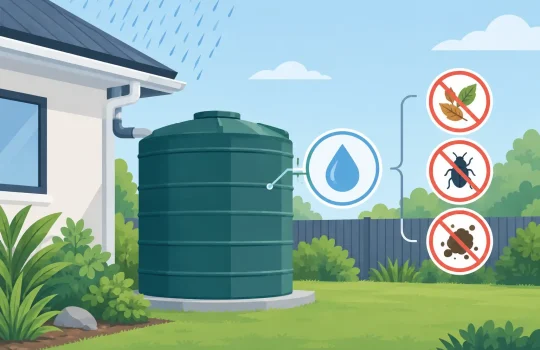
A practical rainwater setup needs to control contamination in stages. The first job is stopping bigger debris before it reaches storage. That means leaves, twigs, moss and roof sediment. The second job is reducing the finer material that settles into sludge over time. The third, if your use demands it, is polishing the water further for specific applications.
For most domestic and smallholding use, filtration is not about turning roof water into drinking water. It is about keeping it fit for purpose. There is a difference. Water for irrigation, washing down, flushing, or general outdoor use does not need the same treatment as potable supply, but it does need protecting from the sort of muck that causes smells, blockages and awkward clean-outs.
That is where people often go wrong. They either fit nothing at all, or they overcomplicate the system with filters designed for a different job. A good setup is usually simpler than people expect, provided each stage is doing useful work.
Where to filter rainwater for best results
The best place to catch debris is before it reaches the main container. Once dirt is in the tank, you are no longer filtering efficiently – you are managing a problem that is already stored.
Gutter and downpipe filtration
This is the first line of defence. If your roof collects leaves heavily, a coarse pre-filter or downpipe filter will stop the obvious rubbish from dropping straight into the butt, tank or IBC. It will not catch everything, and it does not need to. Its job is to deal with volume, not fine polishing.
The trade-off is simple. Coarser filtration blocks less often but lets smaller particles through. Finer filtration catches more, but if it is fitted too early in the system it can clog quickly, especially in autumn or near trees.
Inlet filtration at the container
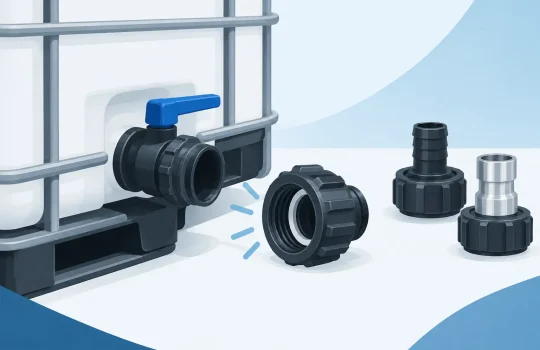
This is where many practical setups improve dramatically. An inlet filter or mesh filter on the container side catches material that escaped the gutter stage before it settles inside the tank. For IBC users and larger storage containers, this can make a big difference because the tank stays cleaner for longer and the outlet is less likely to draw sludge later.
A well-chosen mesh matters here. Too open and it is barely doing the job. Too fine and flow rate can become frustrating in heavy rain. It depends on roof condition, surrounding trees and how much maintenance you are willing to do.
Outlet filtration for use-point protection
If you run pumps, hoses, sprayers or narrow fittings, outlet filtration becomes worthwhile. This is less about protecting storage and more about protecting what comes next. Even with decent inlet filtering, tanks collect some sediment over time. A final filter on the outlet side helps stop that material reaching taps, transfer hoses and irrigation equipment.
For hands-on users, this stage often saves the most annoyance. Clean transfer is the whole point. If a system still leaves you poking blocked nozzles and dismantling fittings, it is not finished yet.
Choosing between different rainwater filtration systems
There is no single best option for every setup because the right answer depends on what you are collecting from, where you are storing it, and what you want the water for.
If your water is only for the garden, a straightforward two-stage approach is usually enough. Stop the big debris before storage, then add a sensible mesh at inlet or outlet depending on your container and fittings. This keeps maintenance manageable without strangling flow.
If you are feeding an IBC from a roof and drawing off for hoses, watering cans or washdown, a sturdy mesh filter on the container can be the sweet spot. It is practical, visible and easy to maintain. That suits real-world use better than a fussy setup with parts that are awkward to inspect.
If you need cleaner water for specialist uses, such as certain pumps or finer spray systems, then filtration may need to step up in stages. In that case, think in order: coarse first, then medium, then fine. Do not ask one filter to do everything.
And if the goal is potable water, that is a separate category entirely. Rainwater harvesting filtration for drinking use needs treatment beyond simple debris filtration, with proper consideration of bacteria, chemical contaminants and system compliance. For most buyers looking to keep stored water clean and usable, that level is not what they need.
The common mistakes that make systems messy
Most rainwater problems are design problems rather than water problems. The usual culprit is trying to fix contamination too late.
One common mistake is relying on the tank lid alone. A covered container helps, but it will not stop debris already carried in through the inlet. Another is fitting an ultra-fine filter where leaves hit it first. That often works for a week and then turns into a restriction point.
Poor access is another issue. If the filter is awkward to remove, hidden behind pipework, or mounted where it is miserable to clean, it will not get maintained properly. Practical kit should save time, not create a new routine of fiddly dismantling.
It is also worth watching for mismatch between filter and outlet size. A decent container setup can still be let down by a poor final fitting if the mesh, hose or connector is not suited to the flow you need. In fluid handling, small details create most of the swearing.
Maintenance matters, but it should not be a chore
Even the best rainwater filtration systems need cleaning. That is not a flaw. It is proof the filter is catching what would otherwise end up in your water. The key is making sure maintenance is quick, obvious and infrequent enough that the system remains worth having.
In leaf-heavy areas, autumn checks are non-negotiable. During drier months, intervals can often be longer. What matters most is inspection after heavy weather, especially if roofs shed moss or nearby trees dump debris suddenly.
Clear signs of a filter needing attention include slower fill rate, overflow where it should not be happening, reduced outlet flow, visible sediment build-up, or pump strain. Leave it too long and the job gets bigger than it needed to be.
The practical approach is to use filters that can be rinsed, brushed, or swapped without dismantling half the setup. That is where purpose-built accessories earn their keep. Clever design is not about looking fancy. It is about making the obvious jobs quicker and cleaner.
What a sensible setup looks like
For a typical UK garden, workshop or smallholding arrangement, a sensible system starts with basic debris control at gutter or downpipe level, followed by filtration where water enters or leaves the storage container. If the storage is an IBC, a dedicated mesh filter can make a noticeable difference by intercepting rubbish before it becomes tank sludge.
That setup will not make rainwater perfect, and it does not need to. It makes it workable. Cleaner water for longer, less sediment at the bottom, fewer blocked fittings, and less time spent cleaning out storage by hand. That is the practical win.
At TMI Shop, that is the sort of problem worth solving properly. Not with generic parts that almost fit and sort-of work, but with products designed around what actually happens in sheds, gardens, yards and workshops.
When it is worth upgrading your filtration
If you are emptying and cleaning tanks more often than you expected, upgrading is usually justified. The same applies if outlets keep clogging, pumps are struggling, or stored water starts looking and smelling worse than it should.
An upgrade does not always mean more complexity. Quite often it means better placement, a better mesh choice, or a more practical filter format. The best improvements are the ones you notice because the hassle has gone away.
If your current setup only works when you constantly babysit it, it is not really working. Rainwater harvesting should save resources and give you useful stored water on demand. It should not become another half-finished job in the corner.
A good filter does not need to be glamorous. It just needs to keep the muck out, keep the flow moving, and make your stored water worth having when you actually need it.