A tank that suddenly fills slowly, a pump that sounds strained, or water arriving with bits in it usually points to one simple culprit: the filter. So, do tank filters need cleaning? Yes, most do. But how often, and whether cleaning is the right answer, depends on what the tank holds, where the filter sits and what it is designed to catch.
A filter is there to stop debris travelling further into your system. Leave it blocked and it starts doing the opposite of its job: restricting flow, making pumps work harder and creating a frustrating fault that can look far more serious than it is. A quick inspection at the right time is cheaper than replacing a pump, cleaning a contaminated tank or dealing with an avoidable spill.
Why tank filters get blocked
Tank filters collect the mess you do not want downstream. In a rainwater system, that may be leaves, moss, insects, roof grit and airborne dust. An IBC used outdoors can pick up dirt around the outlet, while stored fuel or biodiesel may contain sediment, degraded material or contamination introduced during filling.
The finer the mesh, the more it protects sensitive equipment, but the sooner it can restrict flow. That is the trade-off. A coarse outlet screen may only need occasional attention because it stops larger debris. A fine filter before a pump, nozzle or irrigation line needs more regular checks because it catches much smaller particles.
Location matters too. A filter at a tank inlet sees the dirty work first and may block quickly after heavy rain or a dusty job. An outlet mesh filter is often easier to inspect, but it still needs cleaning before the restriction becomes a problem. Filters hidden inside housings tend to get forgotten, which is precisely why they deserve a routine check.
Signs your tank filter needs cleaning
Do not rely on a calendar alone. The tank’s use and the condition of the incoming liquid will tell you more. If any of the following turns up, inspect the filter before pulling apart pumps, hoses or fittings:
- Flow from the outlet, tap or hose has noticeably reduced.
- A pump runs louder, pulses or struggles to prime.
- Filling takes longer than normal, despite a sound hose and vent.
- Water carries visible sediment or an unusual amount of debris.
- The filter housing, strainer or outlet area looks coated in dirt.
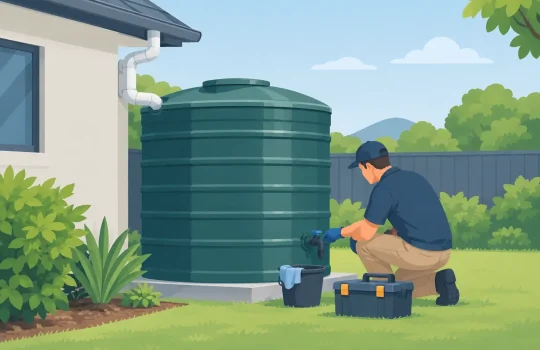
For a rainwater tank, check after storms, autumn leaf fall, nearby building work or long dry spells followed by rain. The first proper wash from a roof can bring down a surprising amount of muck. For fuel tanks and transfer setups, inspect whenever flow drops, after handling a questionable drum or container, and before a job where a blockage would cost time.
Cleaning a tank filter without making more work
Start by making the system safe. Stop the pump, close the relevant valve and relieve pressure where applicable. Put a suitable container or absorbent material below the filter before removing it. This is a small step, but it prevents the sort of dribble that becomes a puddle on a workshop floor, van bed or driveway.
Remove the screen, basket or filter element carefully. Take a moment to look at what has collected on it. Leaf fragments and grit in a rainwater filter are normal. A slimy coating may point to stagnant conditions or organic growth. In a fuel setup, dark residue, flakes or water contamination deserve more attention than a quick rinse and refit.
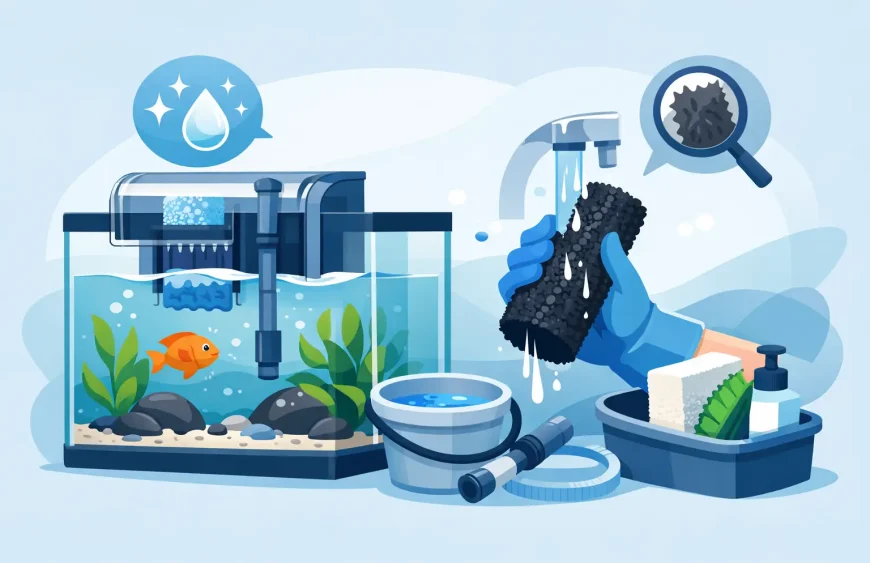
For reusable rainwater strainers and mesh filters, brush off loose debris and rinse from the clean side outwards where possible. That pushes dirt back the way it entered instead of lodging it deeper in the mesh. Use a soft brush rather than a screwdriver, wire brush or anything that can damage the screen. A distorted mesh can let debris through or create a poor seal when refitted.
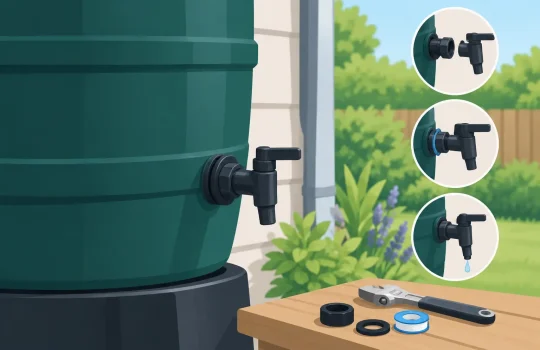
Let the part drain, check the sealing face and make sure any O-ring is clean and seated properly. Reassemble hand-tight unless the manufacturer states otherwise, then run the system and inspect for leaks. A clean filter is not much use if an overtightened housing or pinched seal creates the next problem.
When cleaning is not enough
Not every filter is made to be washed and used again. Cartridge filters, paper elements and some fine media filters are consumable parts. Trying to rinse them clean can damage the material or leave contamination trapped where you cannot see it. If the element is specified as replaceable, replace it.
A mesh filter should also be replaced if it has split, corroded, gone brittle or will not clean properly. The same applies if an outlet fitting no longer seals securely. This is especially relevant for fuel and chemical handling, where the wrong material can soften, swell or deteriorate over time.
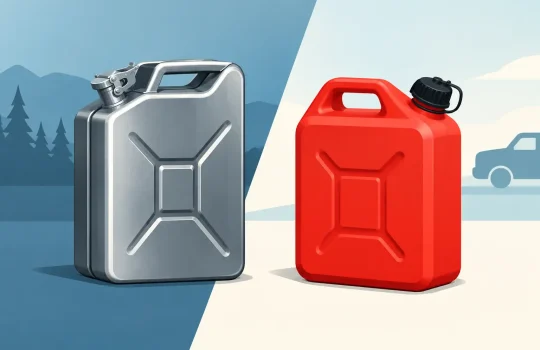
Fuel contamination is a separate job from ordinary maintenance. Do not rinse fuel-soiled filters into drains, onto soil or into a rainwater system. Handle the residue and cleaning materials according to local disposal rules. If you find water, heavy sediment or repeated blockage in a fuel tank, investigate the tank and supply source rather than repeatedly cleaning the same filter. The filter is reporting a problem, not causing it.
How often should you check tank filters?
For a domestic rainwater tank with a sensible pre-filter, a monthly visual check during the wetter months is a practical starting point. Clean it whenever debris is building up, and make it part of the routine after storms. A tank used only for garden watering may tolerate a little more debris than one feeding a pump, pressure washer or irrigation equipment, but reduced flow is still wasted time.
For working tanks, IBCs and transfer rigs, inspect before demanding use and at regular intervals during busy periods. If you are filling machinery, running a generator, transferring biodiesel or supplying a smallholding system, the cost of a blocked filter is usually greater than the few minutes spent checking it.
There is no magic interval because conditions vary wildly. A sheltered tank with clean incoming liquid may run for months. A tank under trees, beside a dusty yard or used daily may need attention weekly. Set the interval from what you find during the first few checks, then adjust it to suit real conditions rather than guessing.
Match the filter to the job
Cleaning will not solve a filter that is wrong for the system. If large debris is repeatedly choking a very fine outlet mesh, add better protection upstream. If sediment is getting through a coarse screen and affecting a pump or nozzle, you may need a finer stage later in the line. The useful approach is to catch bigger rubbish early, then use finer filtration only where the equipment genuinely needs it.
Access is part of good design. A filter that takes half an hour and a toolbox to inspect will be ignored until it causes trouble. A removable outlet mesh or accessible filter housing makes routine maintenance realistic. This is the thinking behind practical fittings and filtration products from TMI Shop: solve the messy, awkward bit properly so the job stays quick.
Also consider flow rate. A very small filter may look neat but become a bottleneck when paired with a high-flow pump or large hose. Choose a filter with enough surface area for the job, compatible materials for the liquid and fittings that seal without bodging adapters together.
Keep a simple inspection habit
You do not need a complicated maintenance spreadsheet. When you check the tank, look at the filter, hose connections, vents and the condition of the liquid at the same time. That gives you a useful picture of the system before a minor restriction becomes a failed pump or contaminated supply.
A clean tank filter is one of those unglamorous jobs that pays back immediately: better flow, cleaner liquid and less time spent fault-finding. Give it a quick look before it gives you a reason to stop work.